- Footy Access Exclusive
- Posts
- Where The Future Competes: GA Cup Group Stage Recap & USYNT Performance Window
Where The Future Competes: GA Cup Group Stage Recap & USYNT Performance Window
This edition breaks down key group stage takeaways from the 2026 Generation adidas Cup alongside a USYNT international window that delivered statement wins, mixed results, and clear signals on where the next generation stands.

Leo Santos
March 30, 2026
The Standard Is Set As GA Cup Wraps Group Stage Action

The 2026 Generation adidas Cup group stage delivered exactly what the competition has become known for: high-tempo, high-pressing football with clear separation between established academies and emerging challengers. Across both U15 and U16 divisions, the signal was clear — clubs with defined positional identities and vertical integration into first-team models controlled games, not just results.
At the U16 level, traditional MLS academies asserted dominance early. Orlando City and Vancouver Whitecaps advanced as group winners, each finishing with plus-three or better goal differentials. Vancouver’s defensive structure stood out — conceding just once in three matches — while Orlando leaned into transitional efficiency, scoring multiple goals in every outing. On the international side, clubs like Boca Juniors and FC Copenhagen matched the tempo by not losing a single group stage match. Boca Juniors, specifically, is arguably the team of the tournament so far with its attacking prowess and strict defensive structure.
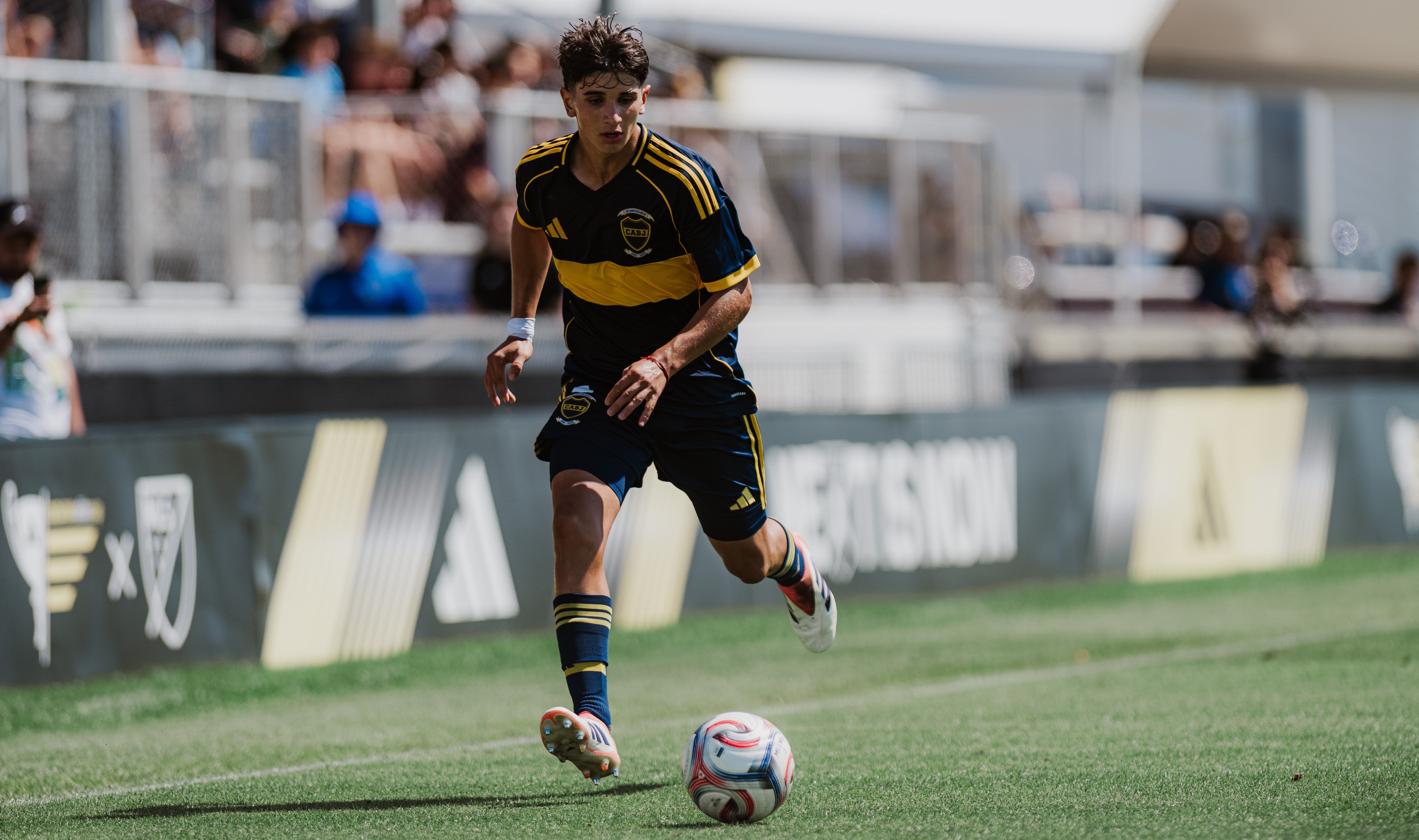
Marquee U16 results included the New England Revolution’s 2-1 win over Liga MX giants Club America, where the MLS side got all of its goals in the first half and showed its high level of composure to maintain a one-goal lead throughout the rest of the match. Real Salt Lake also set the standard early after winning its first group stage match 2-0 against VfL Wolfsburg. Another MLS academy in the division that came up clutch against an elite opponent was Philadelphia, who grinded out a 2-0 statement victory over Monterrey. The Union was driven by controlled possession and disciplined rest defense, signaling a team that is able to comfortably manage a game rather than chasing moments.
In the U15 division, the margins remained tighter, but the same principle applied. Cedar Stars and Toulouse FC emerged as two of the most complete sides, combining technical quality with positional discipline to secure all three wins in the group stage. Other teams that impressed with the execution in key moments, such as set pieces, defensive organization late in matches, and the ability to manage momentum swings, include Atlanta United, D.C. United, FC Cincinnati and LAFC.
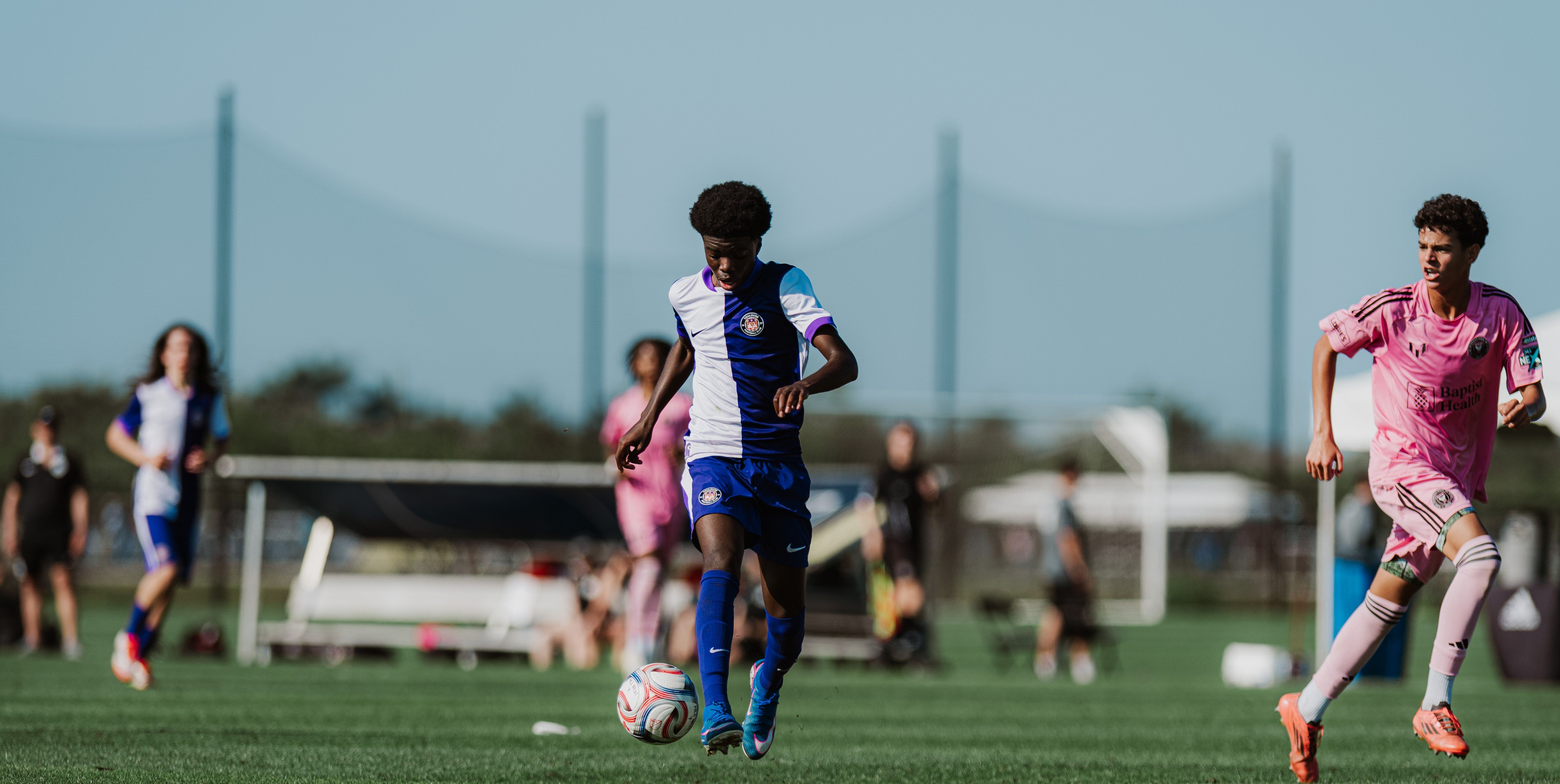
What distinguishes this year’s group stage is the reduction of randomness at the top end. Historically, this age group can produce volatile outcomes, but the leading academies in both divisions showed increasing control over matches. That was reflected in D.C. United’s upset 1-0 win over FC Barcelona and New York Red Bulls’ 3-1 victory against RSC Anderlecht.
History was made in the U15 division when NYCFC’s Loradana Paletta officially became the first girl to play against male opposition in GA Cup history. Paletta played a role in ensuring NYCFC secured a 2-0 win over PSV to book their ticket to the Round of 16.

As the tournament transitions into the knockout phase, the variable changes. Structure has carried teams through three games — but elimination soccer introduces a different demand: individual execution under pressure. The academies that paired system clarity with decisive final-third actions in the group stage now enter the Round of 16 as the most stable environments, but the margin for error is gone.
Round of 16 – U16 Matchups:
RB Bragantino (Brazil) vs. Real Salt Lake
Vancouver Whitecaps vs. Club América (Mexico)
Boca Juniors (Argentina) vs. Seattle Sounders
New York Red Bulls vs. Santos Laguna (Mexico)
New England Revolution vs. Orlando City
Slavia Prague (Czechia) vs. Chicago Fire
Philadelphia Union vs. LA Galaxy
FC Copenhagen (Denmark) vs. Houston Dynamo
Toronto FC vs. Real Salt Lake
Round of 16 – U15 Matchups:
Toulouse FC (France) vs. Charlotte FC
Orlando City vs. New York City FC
Columbus Crew vs. Valencia CF (Spain)
Atlanta United vs. D.C. United
FC Bayern Munich (Germany) vs. Seattle Sounders
FC Cincinnati vs. New York Red Bulls
Cedar Stars vs. Nashville SC
LAFC vs. CF Montreal
The core storyline is now set: MLS academies have proven they can match — and in key cases outperform — top foreign oppostion opposition in controlled environments. The next step is proving that edge holds when games are decided not by structure, but by moments. Matches for the knockout rounds are scheduled to begin on Tuesday.

For the first time, Footy Access is putting the prediction power in your hands at the Generation adidas Cup. The 2026 edition introduces the Footy Access Tournament Challenge, giving you the opportunity to project who takes control across both the U15 and U16 divisions. Head to this link, or the Footy Access website, to submit your bracket and lock in your picks.
Fuel Your Development

Are you looking for a virtual academic program that can help you manage the intense demands of soccer and school?
YSC Advantage is a unique hybrid virtual education built for soccer players, built from working with MLS clubs over the past 12 year. We provide student-athletes with a customized high school curriculum and diploma that is fully accredited and NCAA-approved.
YSC has helped fuel the development of youth players coming through the Academy system. Our objective is to provide players and clubs across the country with an education solution to help develop the next generation of talent. If you need an education with faculty and mentors that support you on your player pathway to the college, professional, and international pathway, click below to learn more and apply.
USYNT March Window Shows Growth And Gaps

U.S. Soccer
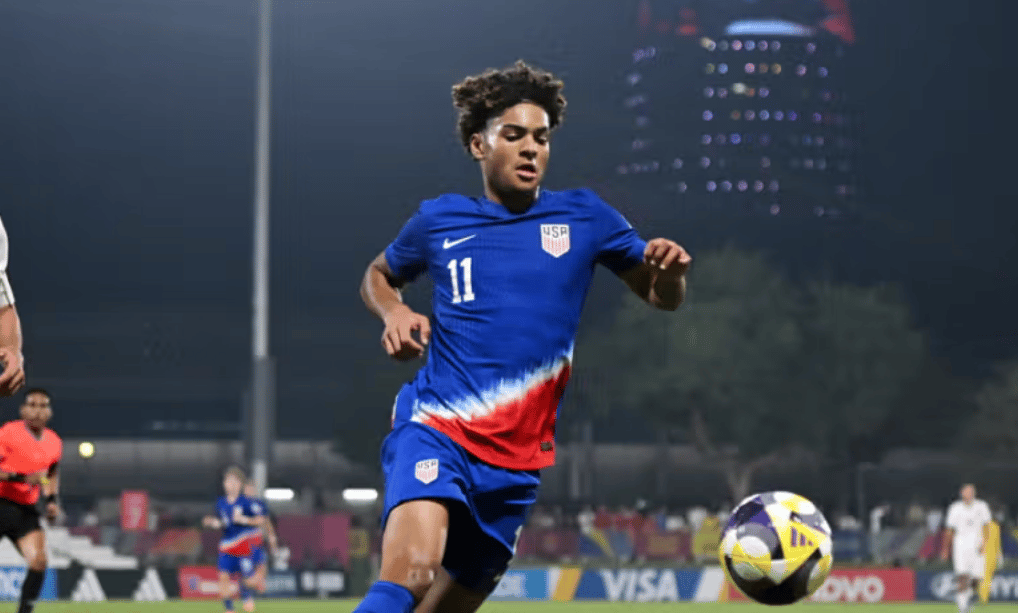
The latest window for the United States U20 Men's National Team delivered the clearest statement result across the pathway: a 3–0 win over Argentina U20 Men's National Team. Beyond the scoreline, the performance reflected a group capable of controlling tempo against elite opposition — press resistance in buildup, efficient chance creation, and defensive compactness. At the U19 level, the U.S. mirrored that dominance with a 4–0 result over Wales, reinforcing the depth of attacking profiles emerging in the pipeline.
The U18 cycle offered a more mixed but equally valuable evaluation. The United States secured a win over Iceland before falling to Morocco. That contrast highlighted a key developmental reality: this stage is less about consistent results and more about exposure to varied tactical and physical profiles. Morocco’s ability to disrupt rhythm and win duels presented a different problem set — one that younger U.S. groups are still learning to solve.
U.S. Soccer
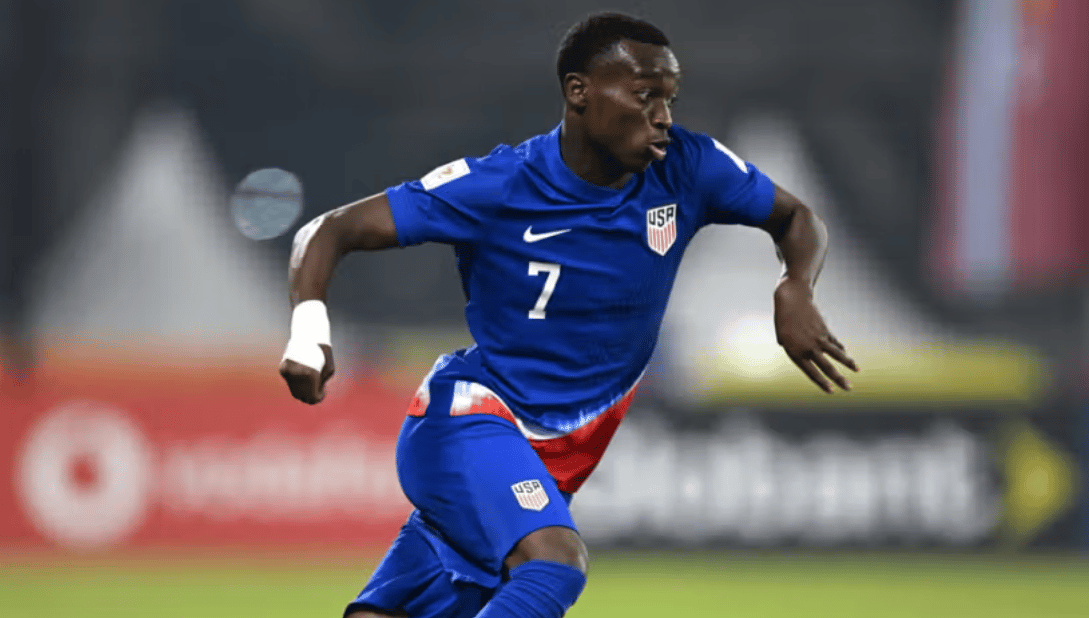
At the U17 level, the United States played to a 3–3 draw with Paraguay in a match defined by volatility. The attacking output was clear — chance creation and vertical threat — but the inability to control defensive moments and close the game underscored the gap between talent and game management. That distinction becomes critical as players approach major tournament environments.
The overarching takeaway across all four age groups is progress with context. The top-end results, particularly at U20 and U19, signal that the U.S. can not only compete with traditional global powers but dictate games against them. However, the inconsistency at U18 and U17 levels reinforces that the pathway is still uneven when it comes to translating individual quality into collective control across different match scenarios.
U.S. Soccer
These results are not isolated; they are indicators of alignment (or lack thereof) between academy environments, professional minutes, and international performance. Strong U20 and U19 outputs often correlate with players already integrated into high-level club ecosystems, while volatility at younger age groups reflects gaps in tactical repetition and decision-making under pressure. As the player pool feeds into senior national team cycles, the key question isn’t talent; it’s how quickly these players can stabilize performance across environments where the margin for error disappears.