- Footy Access Exclusive
- Posts
- Pathways, Positioning & Global Recruitment: New Reality Of Youth Development
Pathways, Positioning & Global Recruitment: New Reality Of Youth Development
From Mexico’s World Cup branding strategy to Sacramento’s academy breakthroughs and the intensifying battle for dual-national talent, this week’s stories highlight how modern player pathways are being shaped by opportunity, visibility, and early strategic decisions.

Leo Santos
March 20, 2026
Mexico’s 2026 Away Kit Drops Signals More Than Just Style
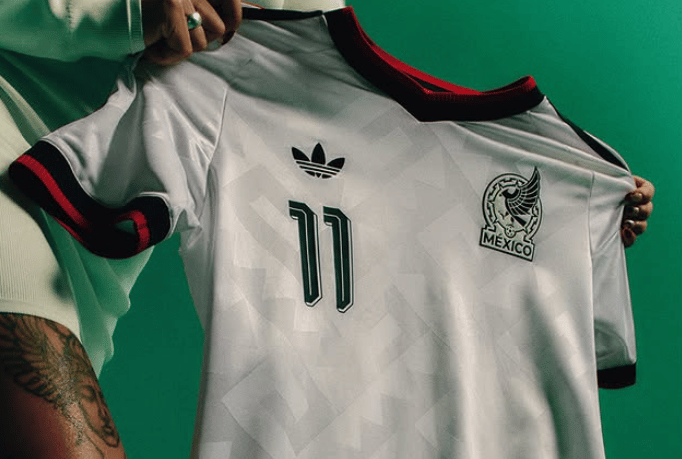
@miseleccionmx
Mexico has officially unveiled its new away jersey ahead of the 2026 FIFA World Cup — and it’s a calculated move that blends identity, culture, and global positioning. Designed in partnership with Adidas, the kit leans into modern aesthetics while subtly referencing traditional Mexican heritage. This isn’t just a uniform release; it’s a statement piece timed for maximum visibility on football’s biggest stage.
From a design perspective, the away kit shifts away from safe, template-driven drops. Early reactions point to bold color choices and culturally embedded detailing, aligning with a broader trend: federations using kits as storytelling vehicles rather than just performance wear. For a Gen Z audience that values authenticity and cultural alignment, this approach lands. Mexico isn’t just dressing players — it’s branding a narrative.

@miseleccionmx
The timing matters. With the World Cup returning to North America, Mexico sits in a unique commercial and competitive position. The away jersey will likely become one of the most visible kits of the tournament cycle, worn not just in matches but across social media, streetwear culture, and influencer ecosystems. That visibility directly impacts federation revenue, global fan engagement, and player marketability.
There’s also a pathway angle. Kit launches like this elevate the perception of the national program, especially for dual-national prospects evaluating international futures. Presentation, identity, and cultural clarity all play a role in recruitment at the youth level. Mexico is signaling that its program understands modern player branding—an underrated factor in elite pathway decisions.

@miseleccionmx
This isn’t about aesthetics — it’s about positioning. Mexico is aligning performance, culture, and market strategy ahead of 2026. In a cycle where visibility, identity, and player influence intersect more than ever, this kit drop is a reminder: federations that win off the pitch often create advantages on it.
Sacramento Republic’s Academy Breakthrough Shows Real First-Team Pipeline

Sacramento Republic
The pathway was delivered in real time for Sacramento Republic FC, with Blake Willey, Chibi Ukaegbu, and Da’vian Kimbrough all named in the starting XI against El Farolito. It marks the first time since 2020 that three academy players have started the same match — a tangible indicator that internal development is translating into first-team trust.
The headline moment belongs to Kimbrough. In his first professional start, he became the second-youngest starter in club history — an early validation of both his individual trajectory and the club’s willingness to accelerate high-upside talent. These are the moments that define whether a pathway is theoretical or functional.

Sacramento Republic
Beyond the starting XI, the signal strengthened. Rohan Chivukula’s appearance off the bench made him the 17th academy player to feature in a competitive match for the first team. That number matters. It reflects not just isolated promotions, but sustained integration across multiple age groups and development cycles.
From a structural standpoint, Sacramento is aligning with a key trend across the American pyramid: lowering the barrier between academy and senior minutes. For Gen Z players evaluating environments, proof of opportunity outweighs promises. Actual minutes — especially in competitive fixtures — remain the most credible currency in pathway decisions.

Sacramento Republic
Sacramento Republic isn’t just producing talent — it’s deploying it. In a landscape where many academies stall at the transition phase, this is a clear example of a club operationalizing its pathway. For prospects and parents, it’s a signal: development environments that trust youth early are the ones that accelerate careers.
USYNT Call-Ups Highlight Dual National Expansion Across Age Groups

@brandon.powell05
The latest U.S. Youth National Team roster drops — from U-16 through U-21 — underscore a clear trend: the system is widening its recruitment net globally. New foreign-based dual nationals, including Paxon Ruffin (U16), Jai Bansoodeb (U17), Elijah Scott (U20), and Brandon Powell (U21), have been integrated across multiple age groups, reinforcing U.S. Soccer’s ongoing effort to identify and secure talent earlier in the pathway.
Alongside these new profiles, established high-upside players remain central to the ecosystem. Damion Downs (U21), Mathis Albert (U19), and Cavan Sullivan (U19) headline the call-ups, offering continuity at the top end of the youth pipeline. This blend of known elite prospects and newly identified dual nationals reflects a layered roster-building strategy rather than isolated scouting wins.

Philadelphia Union
From a structural lens, this is about timing. The U.S. is accelerating identification windows for dual nationals — many of whom are developing in European systems — before competing federations can establish long-term ties. Early integration into camps creates familiarity, cultural alignment, and a clearer pathway to senior involvement.
There’s also a competitive signal being sent internally. Domestic-based players are now operating in a deeper pool, where international scouting reach raises the performance bar at every age level. Selection is increasingly tied to ceiling and environment, not just domestic visibility.

@elijah.scott_
The U.S. isn’t just expanding its player pool — it’s globalizing its pathway. In an era where dual-national recruitment can define a generation, early engagement and consistent call-ups are becoming decisive advantages in securing top-tier talent.
Honduras Makes Strategic Move For Tri-National Prospect Victor Vandenbroucke

@victor_vandenbroucke
2008-born defender Victor Vandenbroucke has received his first call-up to the Honduras U20 National Team — a decisive step in the race for his international future. The tri-national has previously represented both the United States and Belgium at youth level, making this selection a calculated recruitment win for Honduras at a critical stage of his development.
Vandenbroucke’s trajectory is accelerating. Just days before the call-up, he made his professional debut with Jong KAA Gent, signaling readiness for higher-level competition. That timing matters — national team integration often follows proof of professional viability, not just academy potential.

@victor_vandenbroucke
From a pathway lens, this is a classic dual-national inflection point. Honduras is engaging early, offering immediate inclusion at the U20 level rather than waiting for senior eligibility battles. For players navigating multiple federations, proximity to meaningful minutes and tournament exposure can outweigh long-term projections.
The broader takeaway is strategic: smaller federations are becoming more aggressive and precise in identifying diaspora talent before traditional powers secure long-term commitments. Honduras isn’t waiting — they’re acting.

@victor_vandenbroucke
This isn’t just a call-up — it’s a positioning play. For Vandenbroucke, it opens a direct line to international competition. For Honduras, it’s evidence of a sharper recruitment model in a landscape where winning dual-national battles increasingly defines program ceilings.