- Footy Access Exclusive
- Posts
- Pathway Reality Check: Promotions, Transfers & the Thin Line Between Promise and Longevity
Pathway Reality Check: Promotions, Transfers & the Thin Line Between Promise and Longevity
From first-team exposure and strategic transfer moves to an early retirement shaped by injury, this week’s developments show what the modern player pathway really looks like — opportunity-driven, unforgiving, and defined by timing as much as talent.

Lucas Aguirre
January 05, 2026
Mathis Albert’s Quiet Promotion Inside Dortmund’s First-Team Orbit

@ihrtmathis
Mathis Albert has taken another meaningful step in his development after joining Borussia Dortmund’s first team for their training camp in Marbella.
For elite clubs, these camps aren’t symbolic. They’re high-intensity environments used to sharpen fitness, tactical execution, and internal competition. Albert’s inclusion is a clear signal that Dortmund’s staff view him as more than a youth prospect — he’s being evaluated against first-team standards.

@ihrtmathis
The value here isn’t match minutes. It’s exposure. Training daily with senior internationals accelerates learning in ways academy football can’t replicate: speed of play, tactical detail, decision-making under pressure, and professional habits. These are the checkpoints clubs use to determine who can realistically bridge the gap.
There are no guarantees of immediate first-team action. But repeated integration moments like this are how Dortmund quietly stress-test future contributors. For Albert, Marbella reinforces one thing clearly: his trajectory inside one of Europe’s most credible development systems continues to trend upward.

@ihrtmathis
For young players and families watching the pathway, this is what real progression looks like. Before debuts come trust, access, and exposure. First-team training camps are often the difference between being a talented prospect and becoming a legitimate option.
Your Opportunity To Play In College

CCSC has long created pathways for athletes to be seen by college coaches across the country. Your next opportunity is here. Sign up for January camps below and start turning your college soccer goals into reality, including registering for the National Showcase Camp. The event runs from Jan. 16 to Jan. 18 at Stetson University in DeLand, Florida. This exclusive weekend provides unmatched access to college coaches, live evaluations, and the chance to compete at the highest level.
The following colleges will have scouts attending the event:
Clemson
Creighton
Jacksonville University
Lawrence Technological University
Niagara University
Ohio State
St. Bonaventure
St. Leo
Seattle University
USF
Wisconsin
Villanova
Early Transfer Moves Signal a Clear Development Playbook
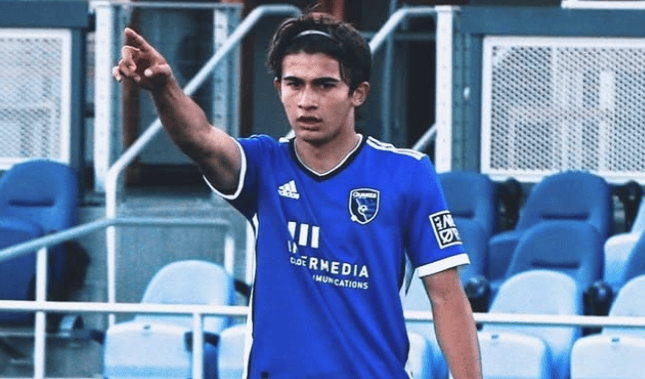
As the transfer window opens, several early moves are already revealing how young players are choosing to shape their next steps.
Ethan Kohler is set to return to the U.S., joining the New England Revolution after his time with Werder Bremen. The move isn’t a reset — it’s a recalibration. After gaining exposure in Germany, Kohler now steps into an MLS environment where consistent minutes and role clarity can drive the next phase of his development.

Cole Campbell, meanwhile, heads to Hoffenheim on loan from Borussia Dortmund. The objective is simple: games. Hoffenheim has a proven track record of trusting young players, and this loan is about converting potential into competitive Bundesliga minutes — the currency that matters most at this stage.
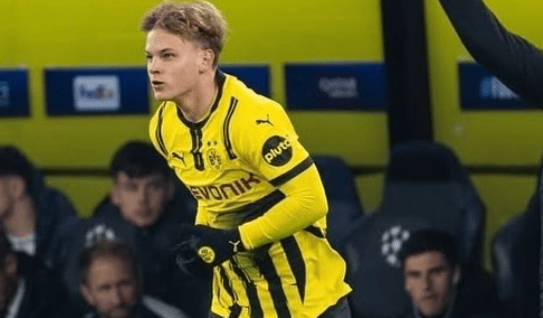
Gabriel Wesseh is expected to complete a permanent move from Atlanta United to Fredrikstad SK in Norway. If finalized, it represents a decisive bet on himself: a fresh European platform, real responsibility, and a chance to build momentum outside the MLS structure.

@gabriwesseh
Together, these moves highlight a consistent early-window trend — young players are prioritizing opportunity, minutes, and long-term growth over comfort or optics.
There’s no single “right” pathway — but there is a right next step. Whether it’s returning to MLS, taking a strategic loan, or committing to Europe full-time, development accelerates when players choose environments that match their needs. These moves are reminders that progress isn’t about geography — it’s about access, trust, and playing time.
Sebastian Soto Retires At 25, Highlighting Football’s Fragile Margins
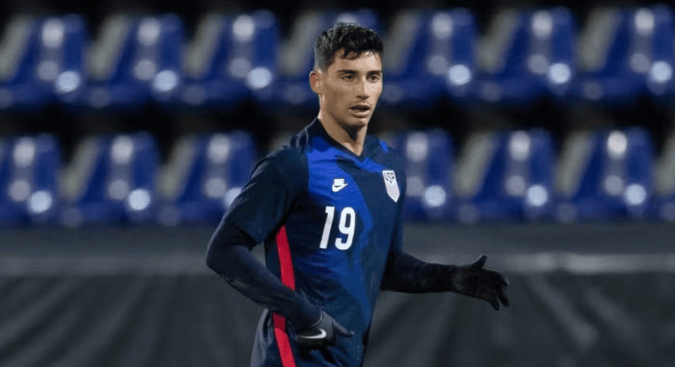
Sebastian Soto has officially announced his retirement from professional football at just 25, closing the chapter on a career defined by early promise and repeated injury setbacks. Once viewed as one of the more intriguing attacking prospects in the U.S. pool, Soto’s trajectory shows how thin the margins are at the elite level.
A product of Real Salt Lake, Soto earned caps with the U.S. men’s national team and featured prominently across multiple youth national team cycles. His ambition pushed him overseas early, where he sought higher competition and accelerated growth.

That path included stints with Porto, Norwich City, Hannover, and SK Austria — a resume that reflects exposure to elite environments and varied football cultures. But persistent injuries disrupted continuity, limiting his ability to lock down sustained minutes and momentum, the two hardest currencies to regain once lost.
Soto’s career ends earlier than expected, but it shouldn’t be misread as a failure. It’s a reminder of how unpredictable the professional game can be, even for players who do many things “right.”
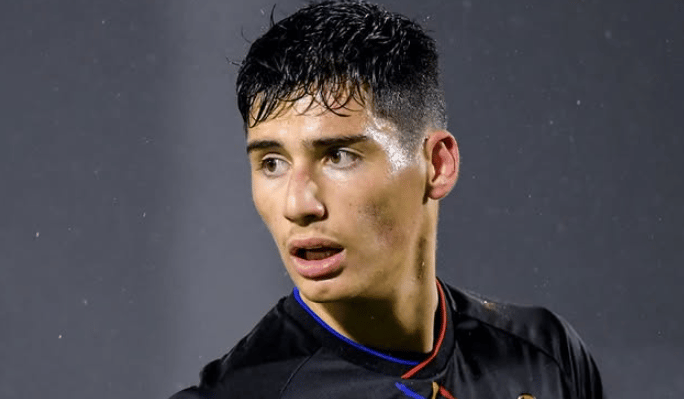
For young players and families navigating the pathway, Soto’s story is a reality check. Talent and opportunity matter — but health, timing, and durability often decide outcomes. Development systems rarely talk about this part, but it’s essential. The pathway isn’t linear, careers can be short, and planning for life beyond the pitch isn’t optional — it’s part of being a professional.