- Footy Access Exclusive
- Posts
- Breakthrough Cycle: Tchoumba Earns First-Team Debut & Teens Shine In Early MLS NEXT Pro Season
Breakthrough Cycle: Tchoumba Earns First-Team Debut & Teens Shine In Early MLS NEXT Pro Season
From early professional debuts and international call-ups to high-impact production in MLS NEXT Pro, this week highlights how top young talents are accelerating through the modern player pathway.

Leo Santos
April 15, 2026
Nathan Tchoumba’s Breakthrough With First Team Debut

Nathan Tchoumba’s first-team debut isn’t just another academy headline — it’s a signal. At 15, the Colorado Rapids defensive midfielder stepped onto the senior stage in a 1–0 U.S. Open Cup win over Union Omaha, marking a rare and accelerated jump along the professional pathway.
This wasn’t a ceremonial appearance. Tchoumba becomes just the second player born in 2010 to log senior minutes this season — a data point that matters. In a system where physical maturity, tactical understanding, and trust from coaching staff are tightly gatekept, breaking through this early is a strong indicator of internal projection.

The timeline is what stands out. Tchoumba only signed with Colorado Rapids II in January. Within months, he’s moved from development squad integration to first-team exposure. That speed suggests more than potential — it reflects readiness in key areas: positional discipline, decision-making under pressure, and the ability to execute within a senior tactical structure.
From a profile standpoint, defensive midfielders rarely debut this early. It’s one of the most cognitively demanding roles on the pitch — requiring scanning, tempo control, and defensive anticipation. For a 15-year-old to earn minutes there signals a high level of trust and football IQ, not just physical upside.

Colorado Rapids
Zooming out, this fits a broader trend across MLS academies: earlier identification, faster promotion, and clearer vertical pathways. Clubs are increasingly rewarding internal development pipelines, and players like Tchoumba are benefiting from systems designed to reduce the gap between academy and first team.
This is what a modern pathway looks like. Early exposure, accelerated timelines, and role-specific trust. For players and parents navigating the system, the takeaway is clear: the pathway is no longer about age — it’s about readiness. Tchoumba’s debut isn’t just a milestone; it’s a benchmark.
Van Parker Goes From MLS NEXT Champion To Senior Minutes
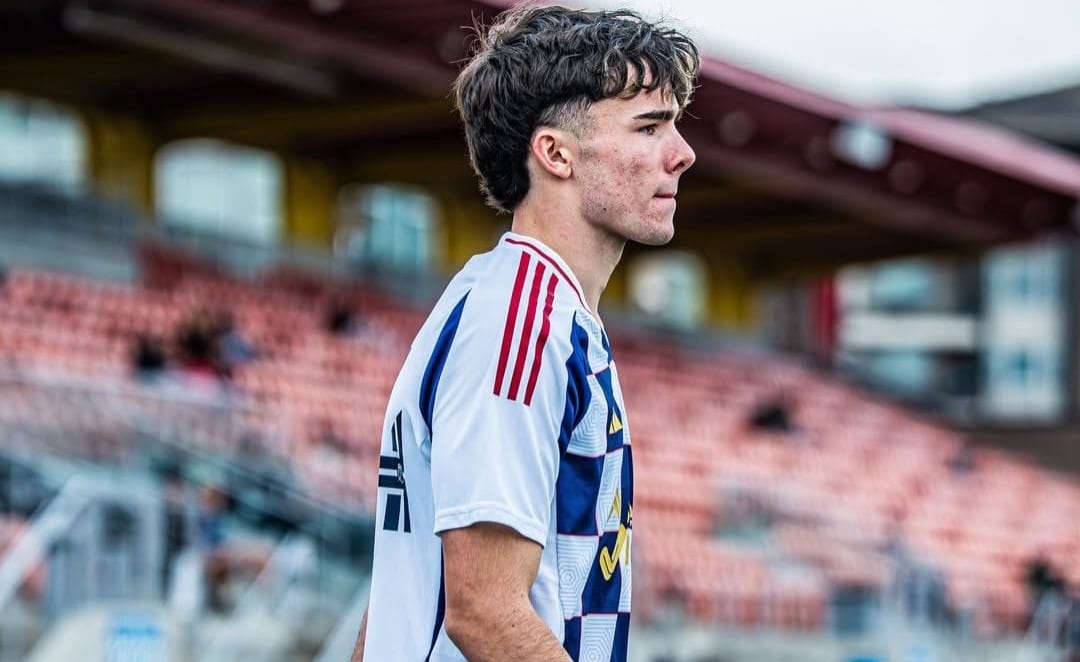
Van Parker’s professional debut is more than a milestone — it’s confirmation of a trajectory. The 2009-born forward stepped onto the field for Real Monarchs against Ventura County, marking his first minutes in a professional environment just weeks after signing a homegrown deal with Real Salt Lake.
The timing is critical. Parker signed in February following a standout academy run that culminated in leading Real Salt Lake to the 2025 MLS NEXT Cup. That sequence — elite youth performance followed by rapid professional integration — reflects a pathway that is increasingly structured around merit-based acceleration.
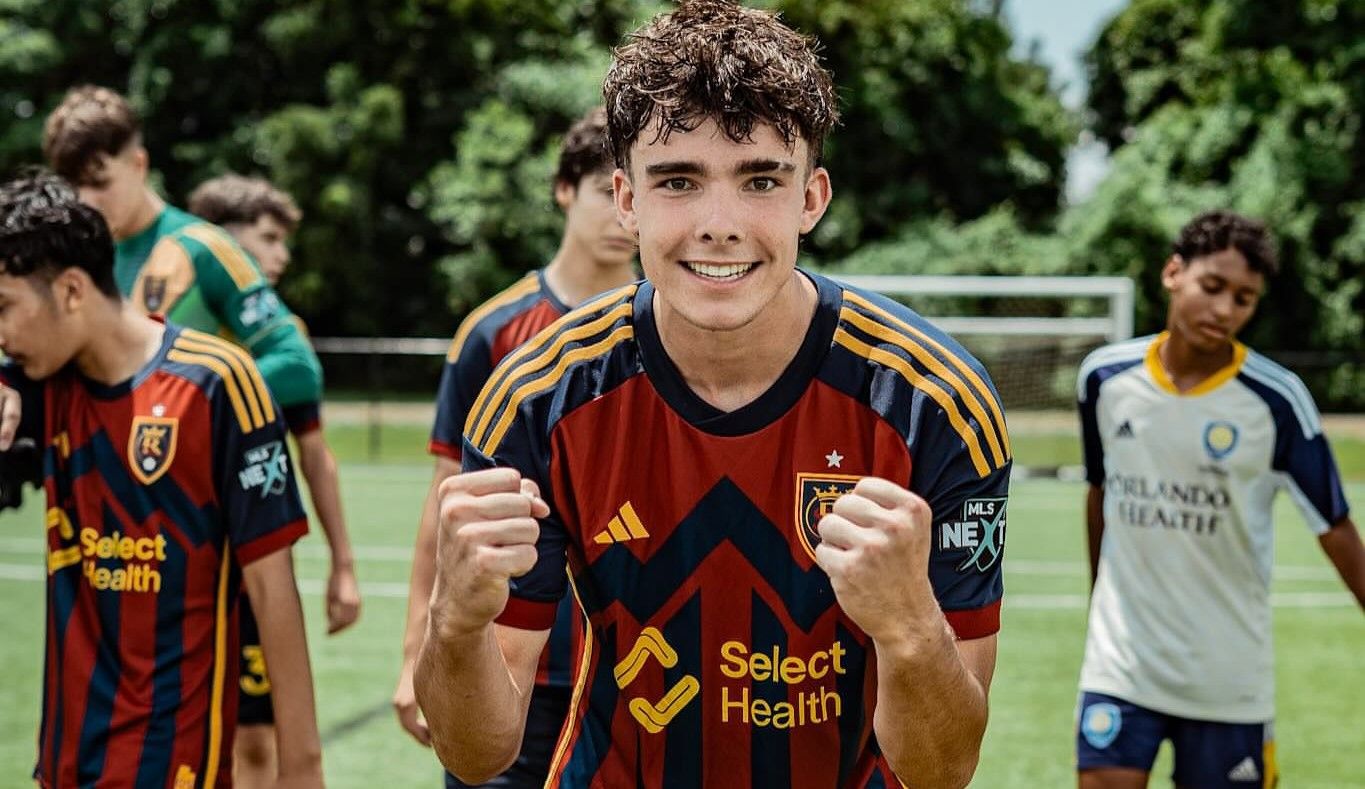
This wasn’t a surprise internally. Parker has been on a clear upward curve, combining end-product in the final third with consistent impact in high-level academy competition. His ability to influence games as a forward — whether through movement, finishing, or chance creation — made him one of the most reliable attacking profiles in his age group.
The Real Monarchs platform is also intentional. MLS NEXT Pro continues to function as a controlled bridge between academy dominance and first-team demands. For Parker, these minutes are less about exposure and more about adaptation — speed of play, physical duels, and decision-making under tighter constraints.

@van_parker10
From a national perspective, this is a significant data point for Canada’s youth pipeline. Producing attacking players capable of earning early professional minutes in MLS-affiliated systems adds depth to a player pool that is still building long-term sustainability.
Benfica Academy Duo Earns Brazil Girls U17 Call-Up

Benfica Residential Academy
Sophie Lottermann and Rafaela San Martins have taken a decisive step in their development, earning call-ups to Brazil’s U17 National Team camp this month. For two players developing within Benfica’s residential academy system, this is more than recognition — it’s strategic positioning ahead of a major international competition.
The context matters. This camp represents Brazil’s final preparation window before the U17 South American Championship in Paraguay. Selection at this stage signals more than potential — it indicates both players are firmly in the evaluation pool for tournament inclusion, where roster spots are highly competitive and performance margins are tight.

Benfica Residential Academy
Both players benefit from Benfica’s structured residential model, which emphasizes daily high-performance environments, tactical education, and consistent competition. That foundation is now being tested in an international setting where speed of play, technical execution, and adaptability are elevated.
From a pathway perspective, this is a critical checkpoint. International camps at this stage are less about exposure and more about role definition — understanding where a player fits within a national team system and how they execute under pressure against top regional opposition.

Benfica Residential Academy
There’s also a broader signal here. South American national teams, particularly Brazil, are increasingly integrating players developed outside their domestic ecosystem. That reflects both the globalization of development pathways and the growing credibility of elite European academy environments.
Timing and environment are everything. Getting into the final pre-tournament camp places Lottermann and San Martins one step from major international competition — a proving ground that accelerates development.
Nimfa Berchimas Continues To Deliver For Crown Legacy

Nimfa Berchimas is forcing his name into the conversation early in the 2026 MLS NEXT Pro season. The Crown Legacy forward has opened the campaign with 6 goals in 5 games, adding one assist and immediately establishing himself as one of the league’s most productive attacking profiles.
The output is matched by context. Berchimas is currently tied with teammate Rodolfo Aloko for the league lead in goals — a reflection of both Crown Legacy’s attacking structure and his ability to consistently finish chances within it. This isn’t isolated production; it’s part of a system functioning at a high level.

At 18, this level of efficiency matters. MLS NEXT Pro is designed as a proving ground where attacking players must translate potential into end product against physically and tactically mature opposition. Berchimas is doing exactly that — converting opportunities while maintaining involvement in the buildup through his assist contribution.
From a profile standpoint, early-season goal volume is one of the strongest indicators of upward mobility within the pathway. Clubs are tracking not just goals, but how they’re scored — movement, timing, and decision-making in the final third. Berchimas is checking those boxes through consistent impact.

Crown Legacy’s strong start amplifies the signal. High-performing teams create more high-leverage moments, and Berchimas is capitalizing on them. That combination — team success and individual production — accelerates visibility at the next level.
Production drives progression. For attacking players, there’s no substitute for goals at the professional level. Berchimas isn’t just in form — he’s building a case for the next step.