- Footy Access Exclusive
- Posts
- Betting On The Curve: Young Phenoms Make Critical Decisions For Development
Betting On The Curve: Young Phenoms Make Critical Decisions For Development
Take a look at how highly-rated young players Connor Dale and Junior Diouf are trusting environment, patience, and trajectory over fast-track decisions.

Lucas Aguirre
December 23, 2025
Connor Dale Takes Next Step With FC Cincinnati

@connor_dale12
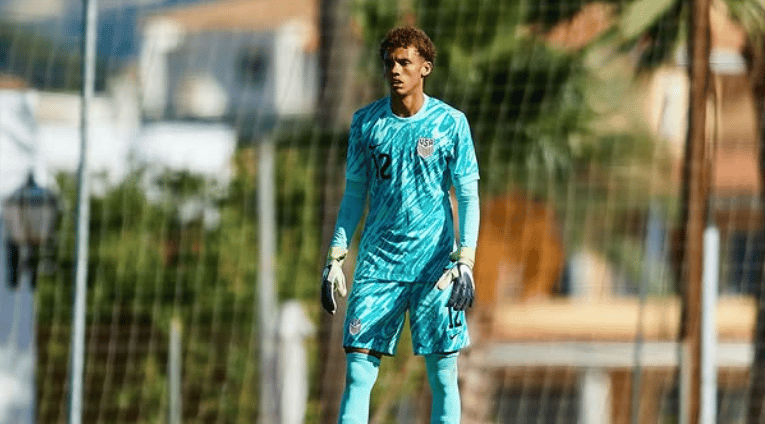
Connor Dale, widely regarded as one of the top goalkeepers in the 2010 age group, has taken an early but meaningful step in his development by moving from Inter Miami to FC Cincinnati. Already viewed as a high-upside prospect, Dale has built his reputation as a modern goalkeeper — comfortable with the ball, composed under pressure, and tactically aware well beyond his years.
That profile has already earned him exposure at the U.S. Youth National Team level, placing him in a small, competitive tier of goalkeepers nationally. Early YNT involvement isn’t about caps — it’s about accelerated learning. Training in those environments raises the technical and mental standards required to stay on the pathway.
@connor_dale12
The switch to FC Cincinnati signals a long-term mindset. Cincinnati’s academy has prioritized structure, clarity, and patience, especially in positions like goalkeeper, where development timelines are longer and mistakes are part of the process. Their focus on individualized development plans and competitive depth within the academy creates a setting where progress is measured, not rushed.
For Dale, this move isn’t about immediate visibility — it’s about environment. And at this stage of the pathway, the right environment often matters more than the badge.
Video & Data Analysis Is a Game-Changer for Youth Development
In today’s competitive youth soccer environment, development isn’t just about talent—it’s about understanding the game on a deeper level. That’s where SGA Performance Analysis comes in.
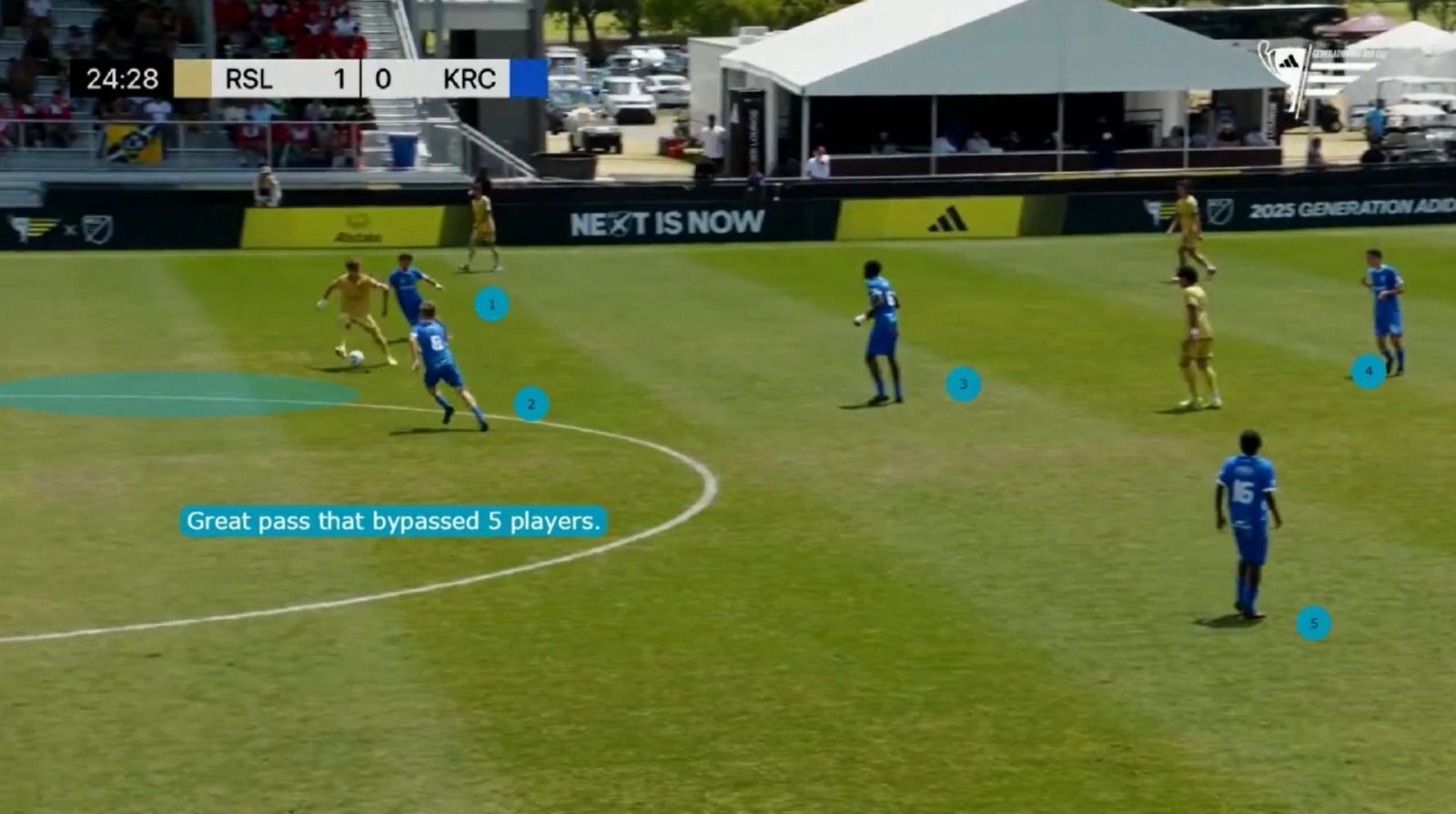
By combining advanced video breakdowns with precise data insights, SGA is transforming how players learn, adapt, and grow.
Here’s how it changes the game:
Sharper Decision-Making
When players watch themselves in real match situations, they begin to recognize what worked—and what didn’t. This visual clarity helps improve reactions, passing choices, and movement in key moments.Elevated Tactical Awareness
Through frame-by-frame analysis, players gain a clearer understanding of positioning, shape, and space—allowing them to read the game, not just play it.Sustainable Long-Term Development
With access to personalized performance data—like pass accuracy, defensive involvement, and movement patterns—players and coaches can track growth over time and set targeted goals.
SGA’s technology isn’t just highlighting what happened—it’s explaining why it happened and how to improve it.
Whether you’re developing top talent or coaching the next wave of stars, this is the edge that turns potential into progress.
Junior Diouf Chooses Patience As Europe Beckons
GCU Athletics
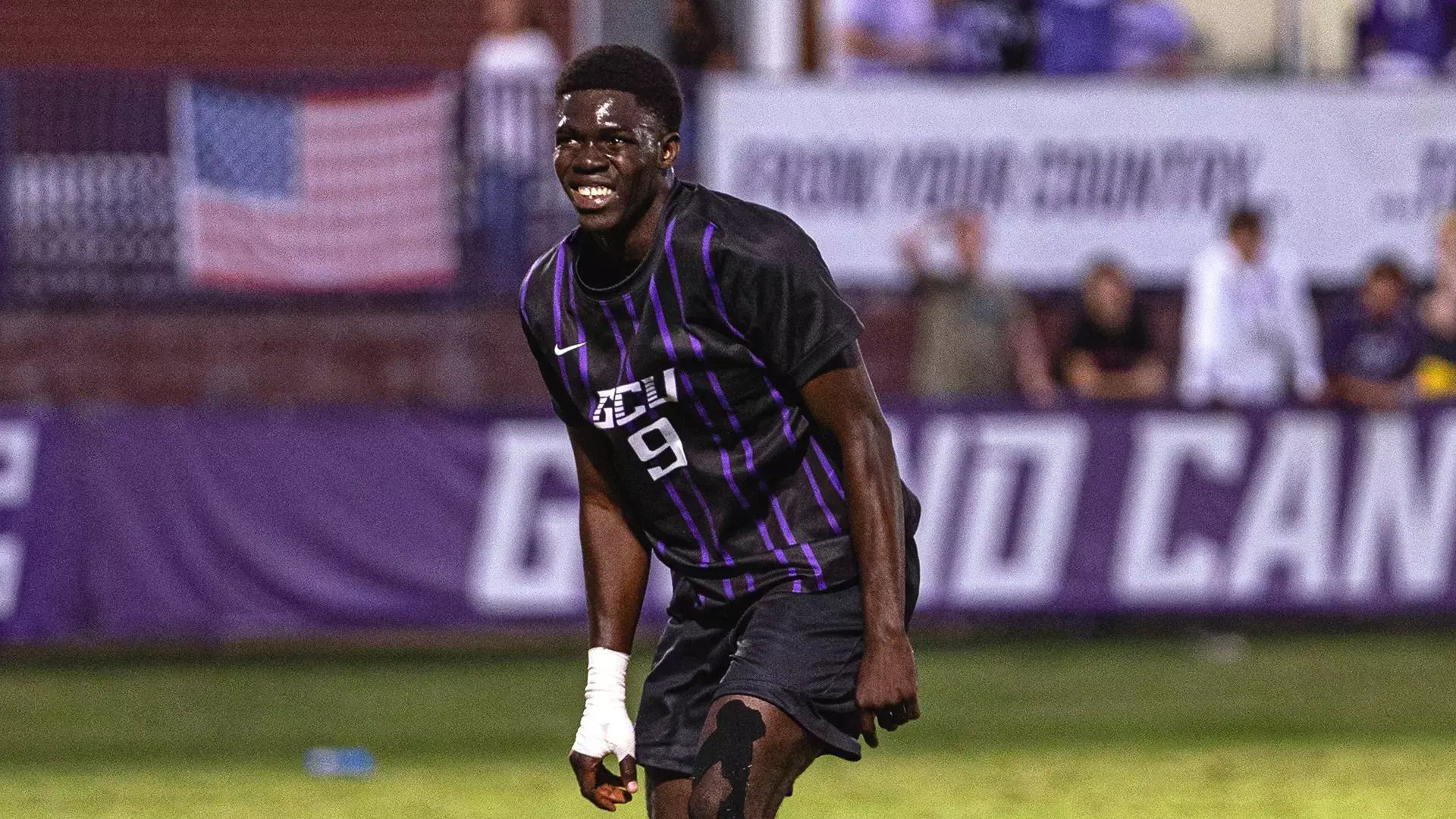
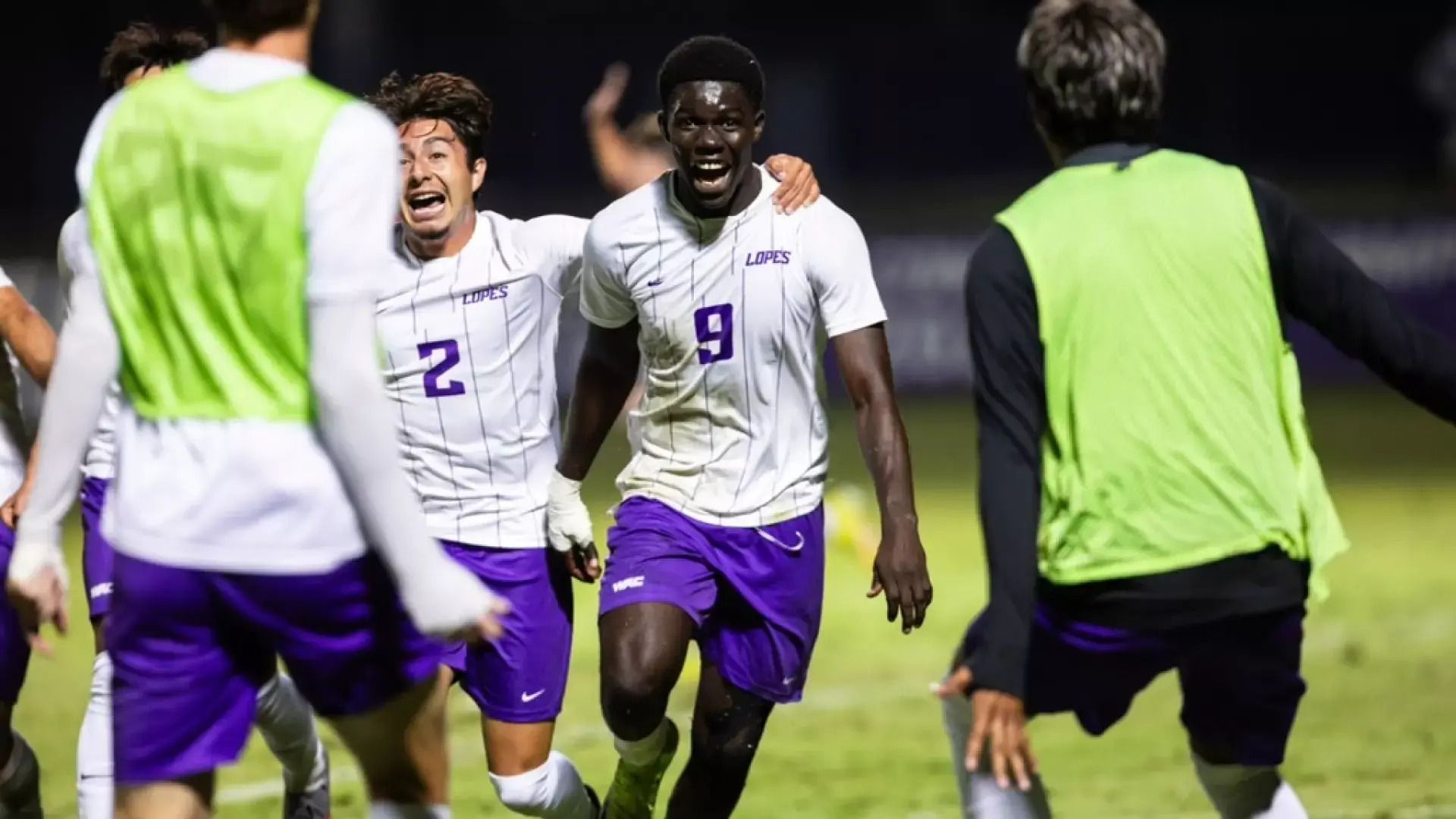
Junior Diouf’s decision to bypass the MLS SuperDraft didn’t come out of nowhere — it reflects the confidence surrounding a profile that has been accelerating fast. Born in 2007 and originally from Senegal, Diouf has quickly established himself as one of the most physically dominant and productive young forwards in recent youth and college environments, drawing attention from clubs on both sides of the Atlantic.
His national breakout came at the 2025 MLS NEXT Cup, where he was a central figure in Cedar Stars Academy Bergen U19’s run to the final. Diouf’s size, mobility, and ability to occupy multiple defenders consistently showed up in high-pressure moments. MLS NEXT Cup isn’t just a tournament — it’s where reputations change, and Diouf left with his stock clearly up.
GCU Athletics
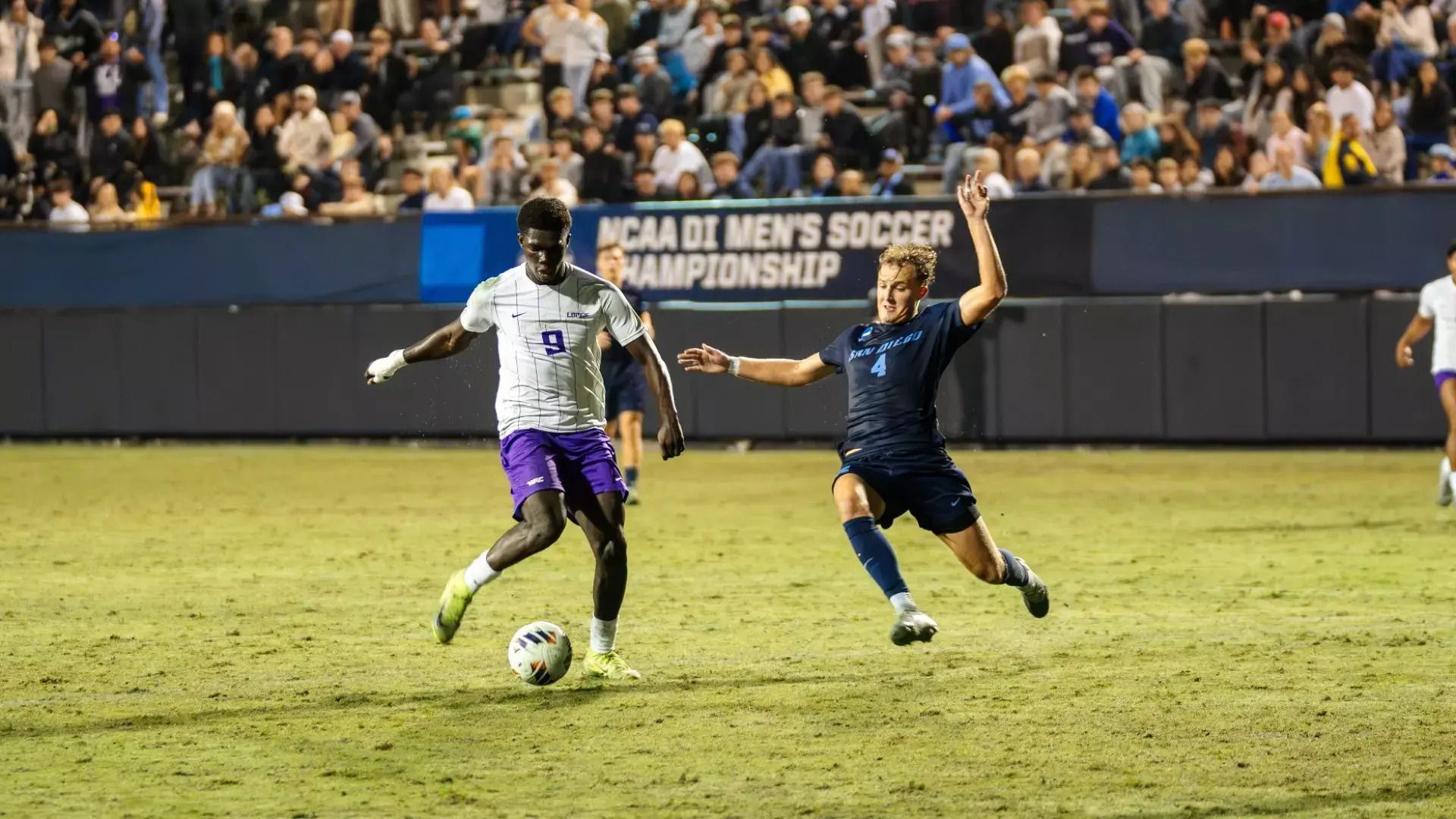
That momentum carried straight into the NCAA. Diouf transitioned to Grand Canyon University and made an immediate impact, adapting quickly to the physicality and tactical pace of the college game. For a freshman to establish himself this early signals more than talent — it points to readiness and adaptability.
Now comes the pivot. With interest — and potentially a formal offer — from Anderlecht, Diouf has chosen patience over the security of the SuperDraft. This is a calculated bet on development, not exposure. By holding out for a European pathway, Diouf is signaling his belief that his ceiling is still rising and that the right environment matters more than the quickest contract.
GCU Athletics
For a player whose climb has been both rapid and sustained, this decision may end up defining not just where he signs — but how far he goes.
Tracking Alex Alcala’s Professional Trajectory
@alexrebel05
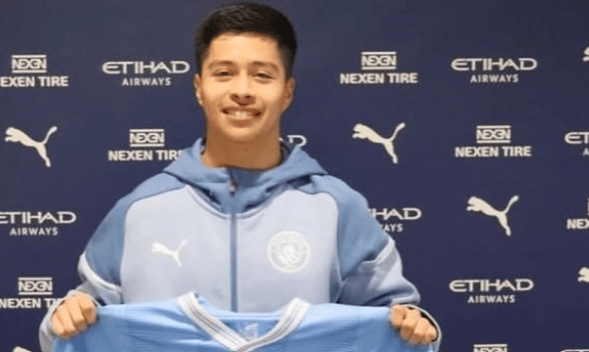
Alex Alcala has made a decisive move in his professional journey, leaving Manchester City to sign with Querétaro FC in Liga MX. For the Mexican-American midfielder, the transfer reflects a clear recalibration: prioritizing real minutes, match rhythm, and responsibility over remaining on a longer, more uncertain European development track.
After multiple seasons inside the City Football Group system, Alcala targeted an environment where first-team opportunities are more immediately attainable. Liga MX checked those boxes, and Querétaro emerged as the right fit—a top-flight league with physicality, pace, and experienced professionals that can accelerate his growth through weekly competition.

@alexrebel05
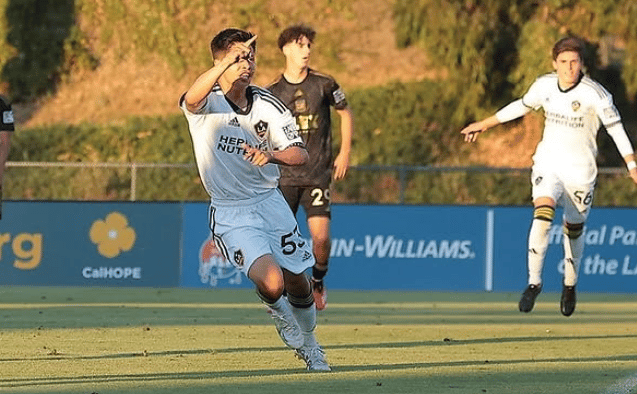
Born in Stockton, California, on Oct. 20, 2005, Alcala holds dual nationality through his Mexican parents. His development began with the LA Galaxy Academy, where his technical quality and creativity stood out early. Strong academy performances led to interest from City Football Group in 2020 and, eventually, professional minutes with Galaxy II in MLS NEXT Pro.
The 2023 season marked a turning point. Alcala logged 22 appearances, scoring three goals and adding four assists — production that signaled increasing confidence and end-product at the pro level. Those performances solidified his reputation as a high-upside midfielder capable of influencing games.
@alexrebel05
Internationally, his pathway remains flexible. Alcala has represented Mexico across multiple youth levels (U15–U20) but is still eligible for the United States. With the 2028 Los Angeles Olympics approaching, a future U.S. U23 opportunity remains firmly in play. For now, Querétaro is the focus — a proving ground to turn talent into consistency and take ownership of the next phase of his career.
Alcala’s move is a case study in a growing trend among North American prospects: choosing competitive minutes over brand-name pathways. For young players navigating the pro transition, Liga MX offers a demanding, visible environment where performance is non-negotiable. If Alcala earns consistent minutes in Querétaro, he doesn’t just advance his own career — he strengthens the argument that stepping away from Europe can sometimes be the fastest route forward.